
Why Titanium Cats Paws Are Changing the Way Tradespeople Work
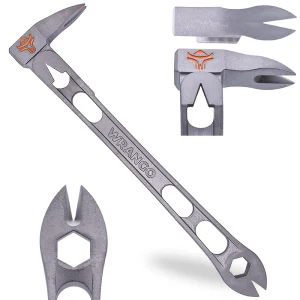
For anyone working in construction, roofing, framing, demolition, or remodeling, tools are more than equipment — they are part of your body for eight, ten, sometimes twelve hours a day. Every ounce clipped to your belt, stuffed in your pouch, or carried up a ladder affects your energy, movement, and long-term health. That’s why more professionals are switching to titanium tools, especially a titanium cats paw.
Titanium is not just a premium material because it looks good. It offers real advantages that can reduce fatigue, improve comfort, and help tradespeople protect their joints and backs over the course of a long career.
The Weight Difference Matters More Than You Think
Most workers don’t notice an extra few ounces when they first pick up a tool. But the problem isn’t the single lift — it’s the repetition.
A pry bar may be lifted, repositioned, or carried hundreds of times in one workday. Over the course of a week, month, and year, those extra ounces multiply into thousands of pounds of unnecessary strain on your body.
For example, if one tool weighs just 8 ounces more than a titanium version, and you lift or move it 500 times per day, that adds up fast. Over a full week, that can equal hundreds of extra pounds of force absorbed by your wrists, elbows, shoulders, and lower back.
Now stretch that over a 10- or 20-year career.
The trades are physically demanding enough already. Reducing weight wherever possible is one of the smartest ways to reduce wear and tear on your body.
Titanium Delivers Strength Without the Bulk
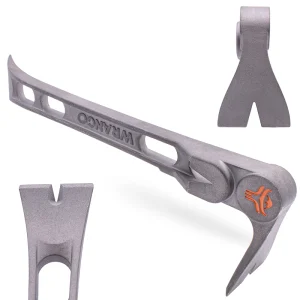
Titanium is known for having one of the best strength-to-weight ratios of any metal used in tools today. In simple terms, it is incredibly strong while remaining much lighter than steel.
That means a titanium cat’s paw can handle serious prying, nail pulling, and demolition work without the unnecessary weight hanging from your belt.
Many tradespeople are surprised the first time they switch from steel to titanium. The tool still feels solid and durable, but it moves faster and feels less fatiguing throughout the day.
Lighter tools also improve mobility. Whether climbing ladders, crawling under structures, roofing, or framing overhead, reducing tool weight helps workers stay more agile and comfortable during long shifts.
Less Weight Can Help Reduce Joint Pain
Joint pain is one of the most common long-term problems in the trades. Repeated stress on the wrists, elbows, and shoulders can eventually lead to inflammation, tendonitis, and chronic pain.
Heavy tools contribute to this problem because they increase the force your body absorbs during every movement.
A lighter titanium pry bar reduces that constant strain. Even a modest reduction in weight can lessen repetitive stress on the joints over time. Workers often report less arm fatigue and less soreness at the end of the day after switching to titanium hand tools.
This is especially important for professionals who use pry bars and cat’s paws frequently throughout the day. Nail pulling, leverage work, and repetitive swinging motions all place stress on the body. Reducing tool weight helps minimize that cumulative impact.
Your Back Pays the Price for Heavy Tools
Lower back pain is another major issue for contractors and tradespeople. Tool belts loaded with heavy steel tools create constant downward pressure on the hips and spine.
Over time, this contributes to muscle fatigue, poor posture, and chronic discomfort.
Switching several everyday tools to titanium can noticeably lighten a tool belt setup. While one lighter tool may not seem dramatic on its own, the combined reduction across multiple tools can make a huge difference.
Every pound removed from your hips and lower back matters when you spend years climbing stairs, bending, kneeling, and working on uneven surfaces.
Many professionals invest in better boots, knee pads, and ergonomic gear to protect their bodies. Lightweight titanium tools belong in that same conversation.
Fatigue Reduction Improves Productivity
There’s another advantage to carrying lighter tools: energy conservation.
Fatigue affects performance. As workers get tired, movements become slower, less efficient, and less precise. That can lead to mistakes, frustration, and even injuries.
Titanium tools help reduce daily fatigue by lowering the physical load your body carries. Less fatigue means more energy at the end of the workday and better consistency throughout long jobs.
For professionals who rely on their bodies to earn a living, preserving energy is not a luxury — it’s an investment in longevity.
Built for the Long Haul
Titanium cats paws and pry bars are not just about comfort. They are about sustainability for your career.
Most tradespeople know someone forced to slow down early because of chronic joint pain, shoulder injuries, or back problems. Years of repetitive strain eventually catch up with the body.
Choosing lighter tools is one practical step toward reducing that long-term damage.
A titanium pry bar may save only a few ounces today, but over the course of millions of movements across a decade or more, those ounces become incredibly significant.
The goal is simple: work hard without breaking your body down faster than necessary.
That’s why more professionals are making the switch to titanium. Not because it’s trendy — because it works.